
 EN
EN

What is the difference between recessed and surface-mounted LED down lights?
Defining Recessed vs. Surface-Mounted LED Down Lights
What Are Recessed LED Down Lights?
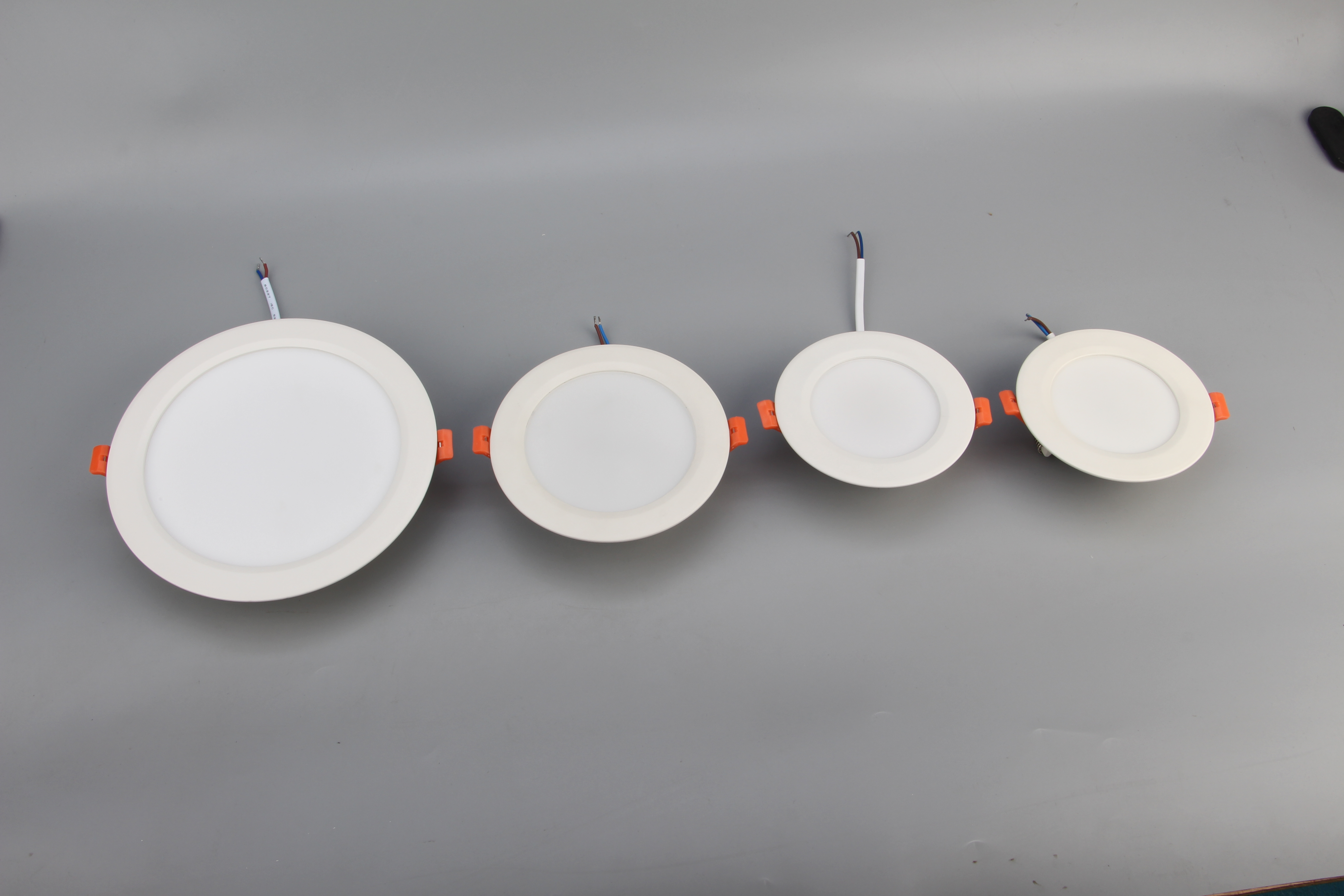
Recessed LED down lights are fixtures installed within the ceiling, aimed at offering a clean, unobtrusive look. Their primary function is to project light downward, making them ideal for general or task lighting across a variety of settings, including residential and commercial spaces. A distinct advantage of recessed LED down lights is their energy efficiency, with some models lasting up to 25,000 hours. Furthermore, these fixtures minimize glare compared to traditional lighting options, enhancing both comfort and functionality.
What Are Surface-Mounted LED Down Lights?
Surface-mounted LED down lights are designed to be installed directly onto the ceiling or wall, presenting a feasible solution for varied locations where cutting into the structure isn’t viable. They are celebrated for their ease of installation, allowing flexibility in terms of style and placement, making them suitable for numerous interior designs. These fixtures are available in myriad designs that not only serve functional lighting needs but also augment decor, bringing aesthetic value to the space.
Core Design Intent: Functionality vs. Flexibility
The primary design intent of recessed lights is to emphasize a minimalist, streamlined look that inherently focuses on functionality. This approach often makes spaces feel more expansive. Conversely, surface-mounted lights allow for greater flexibility in design, facilitating the integration of decorative elements into lighting schemes. Both types of lighting balance the demand for effective illumination and aesthetic appeal, catering to diverse consumer preferences in LED lighting setups.
Structural Differences and Installation Requirements
Recessed Components: Housing, Trim, and Ceiling Integration
Recessed lighting requires specific housings that fit snugly within ceiling cavities. These housings may come in insulation contact-rated options, essential for maintaining energy efficiency in spaces where insulation is present. The choice of trim, such as baffle or reflector, directly impacts both the light diffusion and the aesthetic appeal of the fixture. This affects the overall performance by reducing glare and enhancing the spread of light. Successful ceiling integration necessitates precise measurements and planning, as it involves adjustments to accommodate the depth of the housing. Whether for a clean, unobtrusive look in residential or commercial spaces, recessed lighting solutions must be carefully considered during the planning phase.
Surface-Mounted Fixtures: External Panels and Mounting Systems
Surface-mounted fixtures combine functionality with style by featuring external panels that can be used decoratively. These panels can transform the aesthetic environment while still addressing the practical demands of lighting by installing directly on existing surfaces. Without the need for modifying ceiling space, these fixtures integrate smoothly with the existing architecture of the space. They offer versatility through different mounting systems, suitable for a range of ceiling types, including drop ceilings and flat surfaces. This adaptability ensures they can be installed across varied types of interiors, making them a popular choice for contemporary and practical lighting solutions.
Ceiling Compatibility: Cavity Depth vs. Surface Space
Understanding ceiling compatibility is paramount when selecting between these lighting options. Recessed lights require adequate ceiling cavity depth, which can restrict their use in areas with lower ceilings. This consideration is critical as improper installation can result in safety issues or suboptimal lighting performance. On the other hand, surface-mounted fixtures are ideal for situations where ceiling space is limited or irregularly shaped. They offer a versatile solution without the need for deep cavities, providing significant freedom in challenging installations. By understanding these compatibility features, the right lighting fixture can be chosen to meet both practical and aesthetic needs.
Installation Process and Complexity
Recessed Lighting: Cutting, Wiring, and Professional Help
Installing recessed lighting typically involves significant preparation and precision. The process begins with cutting precise holes in the ceiling, which necessitates careful planning and skill to avoid structural damage. Complex wiring systems are another challenge that arises during installation. Given these complexities, especially in commercial or older buildings with outdated wiring systems, professional assistance may become essential to ensure safety and compliance with electrical standards. Investing in professional installation not only secures safe and optimal placement but also results in effective lighting that enhances the ambiance.
Surface-Mounted Lights: Quick Fixing and DIY Accessibility
Surface-mounted lights offer a much simpler installation process, often making them a preferred choice for DIY enthusiasts. These lights typically require minimal cutting or demolition, making them especially appealing to homeowners seeking straightforward lighting upgrades with minimal disruption to their living spaces. Many models are designed with user-friendly mounting systems that significantly reduce labor costs, providing an attractive option for budget-conscious projects. This ease of installation without compromising on design quality makes surface-mounted lights a versatile choice for various home renovations.
Cost Implications: Labor and Materials Compared
Analyzing the cost implications of recessed versus surface-mounted lighting reveals significant differences in expenditures. Recessed lighting often incurs higher installation expenses, primarily due to the labor-intensive process and cost of materials like specialized housings and trims. Conversely, surface-mounted lights tend to have lower overall costs, making them an appealing option for those with smaller budgets. It’s also important to consider the long-term energy savings associated with LED lighting technologies. Both options, when equipped with LED bulbs, provide substantial energy efficiency, contributing to lower long-term costs of ownership.
Aesthetic Impact and Visual Appeal
Minimalist Design of Recessed LED Down Lights
Recessed LED down lights offer a minimalist design that perfectly complements modern interiors, enhancing the clean lines and spatial harmony of any room. This seamless installation helps to redirect attention towards other key design elements, such as furniture or art, allowing them to take center stage. Furthermore, with options available in various color temperatures, these lights provide the flexibility to create the desired ambiance, whether it’s a warm, cozy glow or a bright, energizing light. This capability aligns well with the broad applications of LED down lights in various settings, as suggested by their growing use in residences and commercial spaces throughout North America. Utilizing such designs can significantly contribute to the appeal and functionality of an area.
Surface-Mounted Flexibility for Decorative Styles
Surface-mounted lights are versatile in design, serving not only a functional purpose but also acting as striking statement pieces that can elevate a room's decor. From sleek, ultra-modern styles to more traditional, vintage-inspired fixtures, these lights offer extensive options that enhance their aesthetic appeal. This versatility allows anyone to effectively customize their spaces by coordinating the lighting fixtures with furniture and other decorative elements. As highlighted by the North American LED lighting trends, the push towards energy efficiency does not sacrifice style, and surface-mounted lights exemplify how functionality and decorative aesthetic can harmoniously coexist in both homes and commercial environments.
Space Perception: Flush Finish vs. Protruding Fixtures
The spatial perception of a room can be significantly impacted by the type of lighting fixtures used. Recessed lighting, with its flush finish, contributes to the illusion of height in rooms with low ceilings, drawing the eye upwards and creating an airy feel. Conversely, the protruding designs of surface-mounted fixtures can serve as visual cues to differentiate various zones within a larger space, adding a layered aesthetic to the interior. Understanding these different impacts is crucial for making informed decisions that align with both the design intentions and functional needs of a space. This is particularly significant in LED lighting applications where energy efficiency meets innovative design, thus redefining spatial dynamics in modern architecture.
Ideal Applications for Each Lighting Type
Recessed: Low-Ceiling Rooms and Moisture-Prone Areas
Recessed lights are particularly suited for low-ceiling spaces because they create an illusion of depth without compromising headroom, making the room feel more expansive. Additionally, these lights are available in moisture-rated varieties, which make them ideal for bathrooms and kitchens. This feature significantly improves safety in wet areas, where the risk of electrical hazards is higher. Moreover, by integrating recessed lighting, one can achieve reduced clutter and maximize floor space, making it an excellent choice for smaller environments where conservation of space is crucial.
Surface-Mounted: Renovation-Friendly and Commercial Spaces
Surface-mounted lights are particularly beneficial for renovations, especially where ceiling structures might not support recessed installations. These lights offer an easy solution as they can be mounted without requiring significant alterations to the existing infrastructure. In commercial settings, surface-mounted lights facilitate customizable layouts and allow for quick adjustments to lighting schemes as per the changing needs of the space. Their enhanced accessibility makes them ideal for areas that require frequent updates and flexibility, such as retail stores and office spaces, which often undergo dynamic layout changes to accommodate varying requirements.
Hybrid Solutions: Layered Lighting Strategies
Employing both recessed and surface-mounted lighting creates dynamic and versatile interiors. Utilizing a combination of these lighting types results in a layered lighting strategy, offering control over brightness and ambiance. This mix allows for blending functional lighting with decorative fixtures to enhance creativity in design. By strategically incorporating various light sources, one can address specific tasks while achieving desired moods in different areas, making it possible to tailor the lighting to suit both functional and aesthetic needs. Hybrid lighting solutions cater effectively to diverse applications, ensuring a comprehensive lighting design adaptable to evolving requirements.
Frequently Asked Questions
What are the main differences between recessed and surface-mounted LED down lights?
Recessed LED down lights are installed within the ceiling, providing a minimalist look and efficient lighting, particularly suited for lower ceilings. Surface-mounted lights are attached directly to the ceiling or wall, offering versatility in style and ease of installation, ideal for spaces where cutting into the ceiling isn’t possible.
Why are recessed lights considered energy-efficient?
Recessed lights are considered energy-efficient because they utilize LED technology, which consumes less power and offers longer lifespan, with some lasting up to 25,000 hours, reducing energy costs over time.
Are surface-mounted lights suitable for commercial spaces?
Yes, surface-mounted lights are highly suitable for commercial spaces. They allow for flexible lighting layouts and quick adjustments to accommodate changing needs, making them ideal for offices and retail environments.
Can recessed lighting be installed in moisture-prone areas?
Yes, recessed lighting can be installed in moisture-prone areas like bathrooms and kitchens by using moisture-rated fixtures that enhance safety in wet conditions.
Do surface-mounted lights offer diverse design options?
Surface-mounted lights offer a vast array of design options, from modern to traditional styles, allowing them to serve not only functional purposes but also act as decorative elements that complement the decor of any space.