
 EN
EN

What are the energy-saving advantages of led spot lights?
The Rise of Energy-Efficient LED Spotlights
The Evolution of Lighting Technology
The journey from incandescent bulbs to LED technology showcases remarkable advancements in how we illuminate spaces. Initially, incandescent bulbs, which convert only 5% of their energy into light, dominated homes and businesses for over a century. The introduction of Compact Fluorescent Lamps (CFLs) was a major shift towards energy efficiency, albeit with limitations in brightness and delayed illumination. LED technology emerged as a game-changer, offering significant improvements in energy efficiency and longevity. According to a study published in the Journal of Energy Conservation, LEDs use up to 80% less energy than traditional lighting methods and can last up to 25 times longer. The rise of LEDs represents a pivotal moment in lighting evolution, contributing substantially to global energy conservation efforts. For instance, the United States LED lighting market is expected to grow from USD 9.0 Billion in 2024 to USD 12.8 Billion by 2033. This growth underscores LEDs' potential in significantly reducing energy consumption across various sectors.
Role of LED Spot Lights in Modern Energy Conservation
LED spotlights are central to today's energy-saving strategies, both in commercial and residential spaces. Their design allows focused lighting that can dramatically lower energy use when compared to traditional lighting methods like halogen and incandescent bulbs. LED spotlights are versatile and can be effectively installed in retail settings, kitchens, and galleries to highlight specific areas or objects, thus reducing the overall number of lighting fixtures needed. The widespread adoption of LED lighting has led to remarkable energy savings at larger scales. For instance, replacing halogen spotlights with LED equivalents can save households in Great Britain up to £45 annually while reducing CO2 emissions by 35kg. As governments and sustainability organizations continue to champion LEDs, we see initiatives offering rebates and incentives to promote their use. These partnerships exemplify the communal and national efforts in advancing energy efficiency, showcasing LEDs as pivotal in modernizing lighting solutions and reducing environmental impact.
How LED Technology Minimizes Power Consumption
Photon Efficiency: Turning Electricity into Light
Photon efficiency is paramount to understanding how LED technology minimizes power consumption. It represents the ability of a light source to convert electrical energy into visible light. LED lights demonstrate superior photon efficiency compared to traditional incandescent and fluorescent bulbs. While incandescent bulbs convert only about 5% of electricity into light, LEDs achieve a much higher conversion rate, making them a more efficient choice. For instance, a 6.5-watt LED lamp can provide the same luminosity as a 50-watt incandescent bulb, reducing energy consumption by around 87%.
Directional Illumination vs. Traditional Bulb Waste
LED technology takes advantage of directional lighting, which significantly reduces energy waste seen in traditional omnidirectional bulbs. Traditional bulbs emit light in all directions, causing a significant portion of the light to be lost in areas where it isn't needed. In contrast, LED lights can be designed to emit light in a specific direction, maximizing efficiency for tasks such as ceiling spotlights or focus lighting. By directing light only where it's needed, businesses and homeowners can enjoy reduced electricity bills and lower energy consumption overall. This ability not only benefits the environment but also leads to substantial cost savings over the light's lifespan.
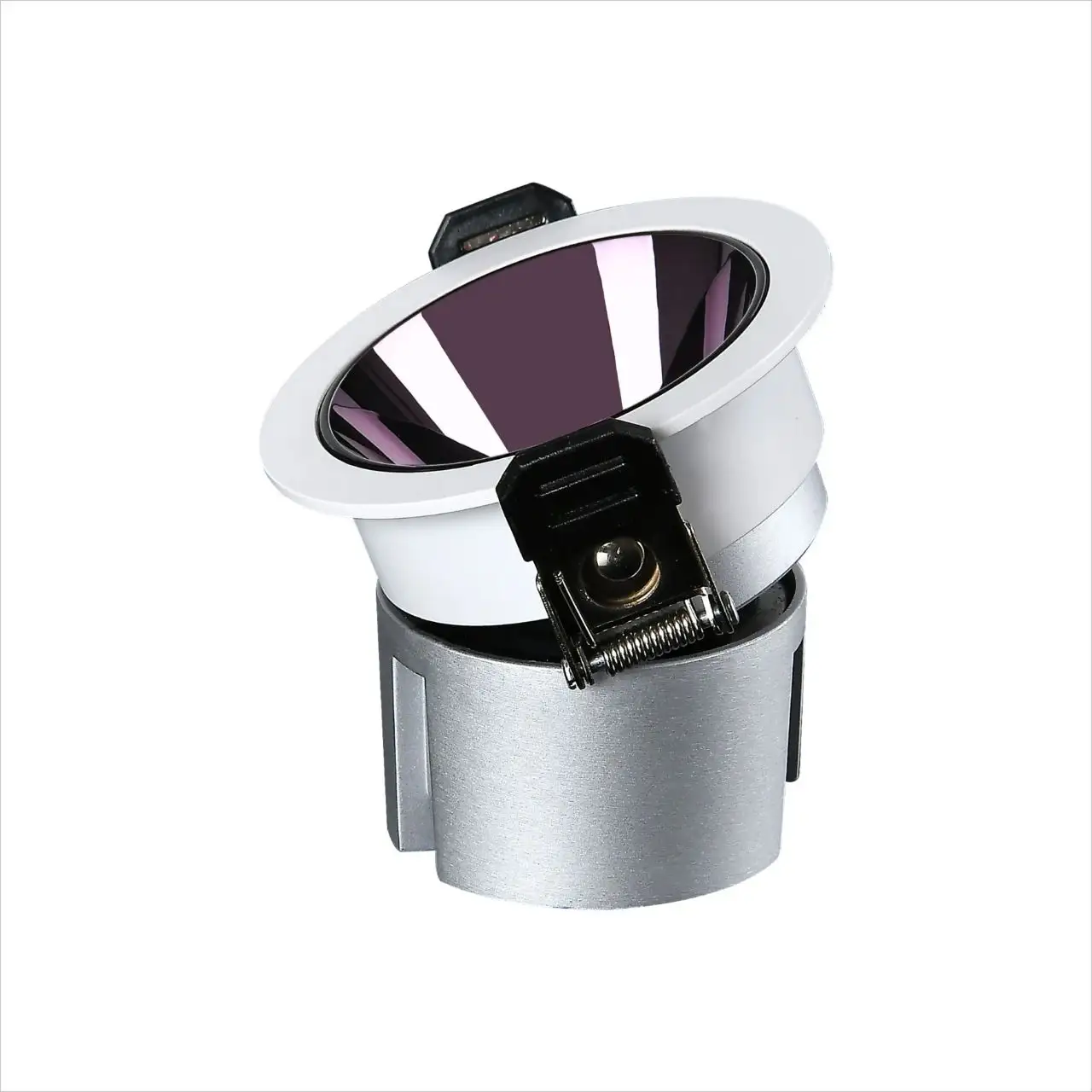
Energy Efficiency Comparison: LED Spotlights vs. Traditional Bulbs
Wattage vs. Lumens: Measuring True Energy Use
Understanding the difference between wattage and lumens is crucial when evaluating energy efficiency in lighting. Wattage refers to the amount of electrical power consumed by a bulb, while lumens denote the amount of light output produced. LED spotlights are recognized for their superior luminous efficacy, providing more lumens per watt compared to traditional incandescent and fluorescent bulbs. With a lower wattage requirement, LEDs offer substantial energy savings without compromising brightness. As energy standards and regulations evolve, consumers are encouraged to choose lighting based on lumens rather than wattage for a true representation of efficiency. By prioritizing lumens over wattage, one can ensure optimal brightness with minimal energy consumption, a principle that led spotlights epitomize.
Case Study: Annual Energy Cost Differences in Commercial Spaces
A compelling real-world case study exemplifies the financial benefits businesses can reap by switching to LED spotlights. A major retail chain recently replaced its traditional bulbs with LED lighting solutions, resulting in a 50% reduction in annual energy costs. This transition was marked by substantial savings in electricity bills and a rapid Return on Investment (ROI), recouping initial costs within two years. The case highlights broader implications for commercial sectors, encouraging similar investments in energy-efficient technologies. Such findings can influence policy decisions and investment strategies, advocating for sustainable practices that align financial and environmental objectives effectively. This example underscores the potential of LED spotlights in transforming energy use patterns in commercial environments.
Longevity and Reduced Maintenance Costs
50,000+ Hour Lifespan: Fewer Replacements, Lower Waste
The remarkable lifespan of LED spotlights, often exceeding 50,000 hours, makes them an outstanding choice compared to traditional lighting options. Such longevity means fewer replacements over time, contributing significantly to reduced waste and environmental impact. Traditional incandescent bulbs last around 1,000 hours, while compact fluorescents typically reach up to 8,000 hours. By choosing LED, we align with sustainability goals by minimizing landfill waste and reducing carbon footprint. According to a report by the U.S. Department of Energy, LED lights reduce energy consumption for illumination by roughly 75% and can last 25 times longer than incandescent bulbs, supporting a more sustainable ecosystem.
Calculating Savings from Reduced Labor and Material Costs
Switching to LEDs not only prolongs the time between bulb replacements but also decreases labor and material costs associated with frequent changes and maintenance. Consider a commercial setting where the cost of changing a light bulb includes not only the price of the bulb but also labor expenses and potential disruptions to operations. Businesses that have shifted to LED spotlights report significant savings on operational costs. For instance, a retail chain replaced its old lighting with LEDs and estimated a 20% decrease in maintenance costs in the first year alone. This switch translates to a better return on investment and a clear demonstration of sound business practices, providing a compelling case for LED adoption in various sectors.
Environmental Benefits of LED Spotlights
Reducing Carbon Footprints Through Lower Energy Demand
LED spotlights significantly contribute to reducing a carbon footprint by requiring far less energy than traditional lighting fixtures. Research conducted by the U.S. Environmental Protection Agency (EPA) highlights that LED technology can cut energy usage by 75%, resulting in substantial reductions in carbon emissions. For instance, if widespread adoption occurs, LEDs could drastically reduce greenhouse gas emissions, aiding climate change mitigation efforts. As part of the broader transition to sustainable lighting, switching to LEDs presents a seamless way businesses can lessen their environmental impact while promoting energy efficiency and conservation.
Toxicity Reduction: Eliminating Mercury and Hazardous Materials
Traditional lighting, such as compact fluorescent lamps (CFLs), poses environmental hazards due to the mercury they contain. In comparison, LED spotlights present a non-toxic alternative, eliminating the risk associated with mercury exposure and creating safer waste disposal practices. A shift to LED lighting can significantly diminish the presence and disposal of hazardous materials. The transition not only enhances environmental safety but also improves indoor air quality, underlining the role of LED technology in advancing environmental health and sustainability.
FAQs
What are the main benefits of LED spotlights?
LED spotlights offer energy efficiency, cost savings, longer lifespans, and reduced environmental impact compared to traditional lighting options.
How do LED spotlights achieve energy efficiency?
LED spotlights use less power and offer superior photon efficiency, converting most electricity into light with minimal energy waste.
Are LEDs environmentally friendly?
Yes, LED spotlights reduce carbon footprints and avoid the use of hazardous materials like mercury found in CFLs, making them a cleaner choice.
How do LED spotlights help in reducing energy costs for businesses?
By switching to LEDs, businesses can significantly cut annual energy bills and maintenance costs, enhancing financial and environmental sustainability.